
Heating During Load Shedding: Effective Ways to Stay Warm
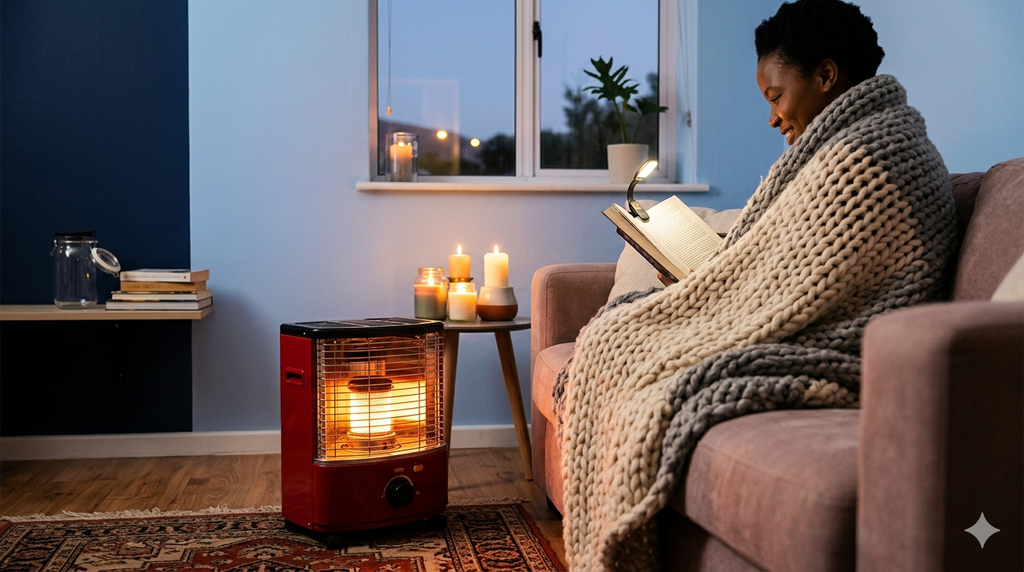
Stay Warm During Load Shedding — Heating Without Electricity
When the power cuts out for 4–6 hours during a winter cold front, your fan heater becomes a useless lump of plastic and your oil-filled radiator slowly cools down. Heating during load shedding in South Africa requires a different approach — heat sources that don't depend on Eskom, ways to retain warmth in your home, and simple strategies to keep your family comfortable through extended outages.
This guide covers every practical option for staying warm during load shedding in South Africa — from paraffin and gas heaters that work entirely off-grid, to bedding and home insulation upgrades that hold heat through long outages, to using a power bank to keep small electric heating accessories running. Pick the strategy that fits your home and budget, and you'll never face another cold load-shedding evening unprepared.
📋 What's in This Guide
- Why Load Shedding Makes Winter Worse
- The 4 Best Heating Options During Load Shedding
- Paraffin Heaters — The Most Reliable Option
- Gas Heaters — Powerful but Specialised
- Power Banks for Small Heating Accessories
- Passive Warmth — How to Hold Heat Without Power
- What NOT to Use During Load Shedding
- Building Your Load Shedding Heating Kit
- Frequently Asked Questions
1. Why Load Shedding Makes Winter Worse
South African load shedding hits hardest in winter for two reasons. First, demand on the national grid is highest in winter — heating, hot water, lights, and cooking all spike electricity usage just as Eskom struggles most. That means more frequent and longer outages, often during exactly the hours you most need warmth (5pm–9pm, when families are home from work).
Second, your home's thermal mass works against you during a power cut. A heated room cools at roughly 1–2°C per hour during winter without active heating, depending on insulation. A 4-hour outage in a Highveld winter can drop a comfortable 22°C lounge to a chilly 14–18°C — cold enough that you'll feel it in your bones.
"During winter load shedding, your heating problem is two-fold: you need to generate warmth without electricity, AND prevent your home's stored warmth from leaking out as fast as possible."
The good news: you can solve both problems with the right preparation. Off-grid heat sources keep producing warmth during outages, and simple insulation upgrades slow heat loss. Combine the two and load shedding becomes much more manageable.
2. The 4 Best Heating Options During Load Shedding
Here are the four practical heating solutions for South African homes during load shedding, ranked by effectiveness and accessibility:
Paraffin Heater
Affordable, high heat output, runs entirely off-grid. The most practical option for most South African households dealing with regular load shedding.
Gas Heater
High output, fast warmth, also works off-grid. More expensive upfront and requires LPG bottle exchanges, but ideal for larger spaces.
Power Bank + Accessories
Use a high-capacity power bank to keep small heating accessories running — heated blankets, USB hand warmers, mini USB heaters for personal warmth.
Passive Warmth
Heavy curtains, layered bedding, hot water bottles, draught stoppers, and warm clothing. Doesn't generate heat but reduces how much you lose during outages.
Most South African homes benefit from combining at least two of these — a paraffin heater for active warmth + passive warmth strategies to hold heat between heating sessions. Wealthier households often have all four for full preparedness.
3. Paraffin Heaters — The Most Reliable Option
Paraffin heaters are the single most popular load-shedding heating solution in South Africa, and for good reason. They produce strong, reliable heat without electricity, run on cheap and widely available fuel, and are affordable to buy upfront. A quality 2-in-1 paraffin heater under R500 covers your heating AND lets you boil water for tea or heat soup during the outage.
Read our full guide on best paraffin heaters in South Africa for detailed safety information, fuel costs, and what to look for when buying. The most important rules: always ventilate the room, never use diesel or petrol substitutes, and look for SABS/NRCS approval on any paraffin heater you buy.
4. Gas Heaters — Powerful but Specialised
Gas heaters running on LPG (liquefied petroleum gas) bottles are a step up from paraffin in terms of heat output and convenience. They produce 4kW+ of heat, suitable for larger lounges and family rooms, and they don't have the slight odour that paraffin can produce. Many gas heaters also have piezo ignition (no matches required) and adjustable flame settings.
The downsides: gas heaters cost more upfront (typically R800–R3000+), need LPG bottle exchanges (R150–R300 per refill depending on bottle size), and require similar ventilation to paraffin heaters. They're also typically not portable enough for everyday use — most people leave them in one room.
⚠️ Gas Safety: Gas heaters need ventilation just like paraffin heaters. Never use a gas heater in a small sealed room without an open window or door. Get a carbon monoxide detector for any room where you regularly use a gas heater.
5. Power Banks for Small Heating Accessories
Power banks won't run a 2000W oil heater — the energy demand is way beyond any consumer power bank's capacity. But high-capacity power banks (20,000mAh+) can run smaller heating accessories that make a real difference to personal warmth during outages.
What you can run from a power bank:
USB-rechargeable heated blankets and throws. Designed to draw 5–15W via USB, they keep one person warm in bed or on the couch for hours from a power bank charge.
USB hand warmers and pocket heaters. Tiny, low-power devices ideal for keeping circulation going in cold extremities. Many run for 4+ hours from a 10,000mAh power bank.
Mini USB heaters. Small personal heaters designed for desk use that draw under 30W. Won't heat a room but enough to warm your hands or feet.
Charged phone, tablet, and laptop. Not heat directly — but keeping your devices alive lets you stream content under a blanket while you wait out the outage, which keeps morale up.
Need a load-shedding-ready power bank? Browse our backup power range — high-capacity options for keeping the essentials running.
Shop Backup Power6. Passive Warmth — How to Hold Heat Without Power
The most underrated load-shedding heating strategy isn't a heater at all — it's preventing heat loss. Every 1°C of warmth you keep in your home is 1°C you don't need to generate during the outage. Here's what works:
Heavy curtains, drawn closed
Single-pane windows are the biggest source of heat loss in most SA homes. Close heavy curtains the moment the power goes off (and ideally an hour before, so they trap warmer air). This alone can slow heat loss by 25–40%.
Draught stoppers under doors
Cold air sneaks in under exterior doors and from unused rooms. A simple cloth draught stopper or even a rolled-up towel against the bottom of a door dramatically reduces heat loss. Cost: zero if you use what you have.
Layered bedding
For overnight load shedding, two duvets, a fleece throw, and warm pyjamas keep you completely comfortable in a 12°C bedroom. Wool blankets are particularly effective. Hot water bottles add immediate warmth that lasts for hours.
Close internal doors
Heat the room you're using by closing the door and isolating it from the rest of the house. A small lounge with closed doors holds warmth far better than an open-plan space. If you have a paraffin heater, this also reduces fuel consumption since you're heating less air.
Hot water bottles and warm drinks
Boil water on your gas stove (or paraffin heater-cooker combo) and fill hot water bottles. Tucked into bed or held in a lap, they provide localised warmth for 2–3 hours. A cup of tea or coffee also raises core body temperature meaningfully.
Layered clothing
Three thin layers are warmer than one thick layer because they trap air between them. Thermal underlayer + jumper + fleece is significantly warmer than just a heavy jacket.
💡 Pro Tip: Pre-heat the room you'll be using before the load shedding window starts. If you know shedding starts at 5pm, run your heater hard from 4–4:55pm. The room will hold warmth for 1–2 hours, bridging much of the outage before you even need backup heating.
7. What NOT to Use During Load Shedding
Some "heating" approaches are dangerous, ineffective, or both. Avoid these:
| Don't | Why |
|---|---|
| Use your gas oven for heating | Carbon monoxide poisoning risk. Ovens aren't designed for room heating and venting. |
| Burn wood/charcoal indoors | CO and smoke risk. Use only outdoor braais outdoors — never inside. |
| Use a generator indoors | CO poisoning kills. Generators must be outdoors, away from windows. |
| Run a candle "heater" | The candle-and-flowerpot trick is mostly myth and creates fire risk. |
| Use diesel/petrol in a paraffin heater | Will damage the heater, produce toxic fumes, and create fire risk. |
| Sleep with a paraffin heater on | Risk of CO buildup overnight if ventilation drops or wick smokes. |
8. Building Your Load Shedding Heating Kit
Here's the practical shopping list for a complete South African load-shedding heating kit, in priority order:
Tier 1 — Essentials (under R600 total)
✅ 2-in-1 Safety Paraffin Heater and Cooker (R419) — your primary off-grid heat source
✅ 5L of illuminating paraffin (~R100) — fuel for 10–25 hours of heating
✅ Box of long matches or a long lighter — for safe ignition
Tier 2 — Comfort upgrades (under R500 total)
✅ Carbon monoxide detector — non-negotiable safety addition for any combustion heater
✅ Heavy thermal curtains or curtain liners for windows
✅ 2–3 hot water bottles
✅ Door draught stoppers
Tier 3 — Advanced setup
✅ High-capacity power bank for small accessories and devices
✅ USB-powered heated throw for personal warmth
✅ Backup gas heater for larger spaces
✅ Spare LPG bottle if using gas
For most South African households, Tier 1 + Tier 2 is enough to make load shedding tolerable through any winter outage. Tier 3 is for households that want full off-grid heating capability or experience particularly long/frequent outages.
Build your load shedding heating kit at Perfect Dealz — pay later with Happy Pay or PayJustNow.
Shop Heaters at Perfect Dealz