
best ceramic heaters south africa - 2026 Guide
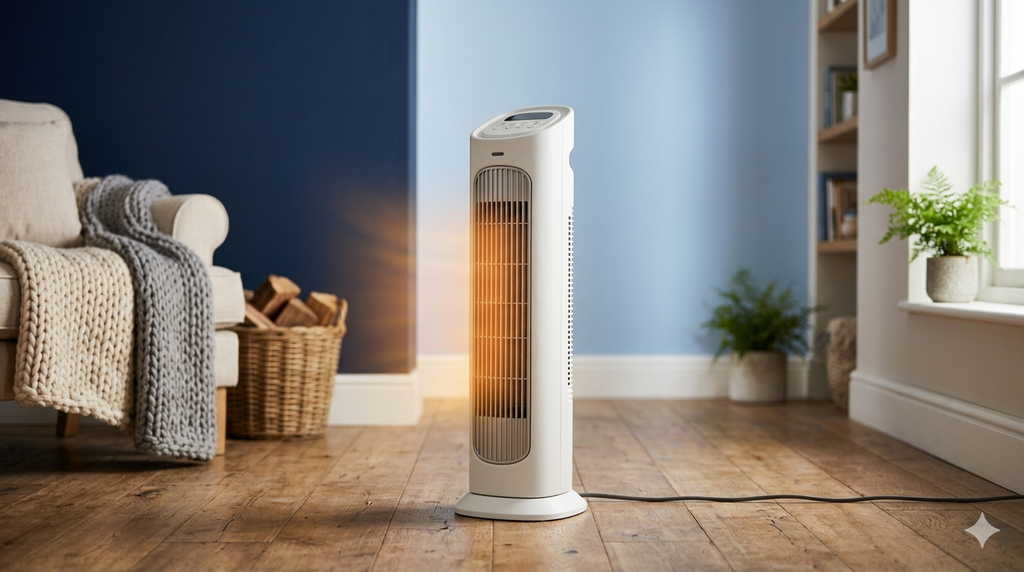
Best Ceramic Heaters in South Africa — 2026 Guide
Looking for the best ceramic heaters in South Africa to keep your home warm this winter? Ceramic heaters have become one of the most popular heating options in SA homes — they heat up faster than oil-filled radiators, run cooler and safer than bar heaters, and use less electricity than fan heaters running at full power. For families with kids and pets, energy-conscious shoppers, and anyone who wants steady, even warmth without a noisy fan blowing in their face, ceramic heaters are a strong choice.
This 2026 guide explains what ceramic heaters are, how they work, the pros and cons compared to other heater types, and the top ceramic heater options available at Perfect Dealz. Whether you're heating a small bedroom, a home office, or a medium-sized lounge, we'll help you find the right ceramic heater for your space and budget.
📋 What's in This Guide
- What is a Ceramic Heater?
- How Ceramic Heaters Work
- Pros and Cons of Ceramic Heaters
- Ceramic Heater vs Fan Heater vs Oil Heater
- Best Ceramic Heaters at Perfect Dealz
- How to Choose the Right Ceramic Heater
- Ceramic Heater Safety Tips
- Frequently Asked Questions
1. What is a Ceramic Heater?
A ceramic heater is a type of electric space heater that uses a ceramic plate as its heating element. When electricity passes through the ceramic plate, it heats up rapidly and transfers warmth to the surrounding air — usually with the help of a built-in fan that distributes the heat into the room.
The defining feature of ceramic heaters is the self-regulating nature of the ceramic element. Unlike traditional metal coil heating elements that get hotter the longer they run, a ceramic element automatically reduces its electrical conductivity as it heats up. This means a ceramic heater is less likely to overheat, runs at a more consistent temperature, and is safer to leave running for longer periods.
2. How Ceramic Heaters Work
Most ceramic heaters use a technology called PTC — Positive Temperature Coefficient — heating. The ceramic element heats up quickly when switched on, and the fan blows air across the hot ceramic plate to push warm air into the room. As the room temperature rises, the heater's thermostat cycles the element on and off to maintain a steady temperature.
This delivers three real-world benefits compared to older heater technologies:
Faster warm-up than oil-filled heaters. Where an oil heater can take 15-20 minutes to bring a room up to temperature, a ceramic heater starts pushing warm air within 30-60 seconds.
Cooler casing than bar heaters. Because the heat is enclosed and pushed out by a fan, the outer casing of a ceramic heater stays cool to the touch — much safer around children and pets than glowing element heaters.
More efficient than basic fan heaters. Ceramic elements transfer heat more efficiently than the metal coils used in cheaper fan heaters, which means less electricity wasted and a lower running cost over time.
"Ceramic heaters are the sweet spot between fast warm-up and energy efficiency — perfect for South African shoppers who want quick warmth without big electricity bills."
3. Pros and Cons of Ceramic Heaters
Like any heating option, ceramic heaters have specific strengths and weaknesses. Here's an honest summary:
Advantages
✅ Fast heat-up time — start feeling warmth within seconds of switching on
✅ Cool-touch casing — exterior stays cool, safer for kids and pets
✅ Energy efficient — uses less electricity than basic fan or bar heaters
✅ Compact and portable — most are lightweight and easy to move between rooms
✅ Quiet operation — quieter than fan heaters, especially tower-style ceramics
✅ Built-in safety features — overheat protection and tip-over switches as standard
Disadvantages
❌ Need electricity — won't work during load shedding without backup power
❌ Limited range — best for small to medium rooms; struggles with large open spaces
❌ Heat doesn't linger — once switched off, the room cools quickly (unlike oil heaters)
❌ Fan noise — quieter than fan heaters but still produces some white noise
4. Ceramic Heater vs Fan Heater vs Oil Heater
To help you decide whether a ceramic heater is the right choice for your space, here's how it compares to the two other most popular SA heater types:
| Feature | Ceramic Heater | Fan Heater | Oil-Filled Heater |
|---|---|---|---|
| Warm-up time | 30-60 seconds | 10-30 seconds | 15-20 minutes |
| Energy efficiency | Good | Average | Excellent (retains heat) |
| Surface temperature | Cool to touch | Cool to touch | Warm to touch |
| Best room size | Small to medium | Small | Medium to large |
| Noise level | Low to moderate | Moderate | Silent |
| Heat after switching off | Cools quickly | Cools quickly | Stays warm 30+ minutes |
| Best for | Quick efficient warmth, kids/pets safety | Short bursts, very fast warm-up | All-day heating, bedrooms overnight |
For more detailed running cost comparison, read our existing guide on oil heater vs fan heater electricity consumption in South Africa.
5. Best Ceramic Heaters at Perfect Dealz
Here are our top ceramic heater picks for South African homes in 2026:
Oscillating Tower Ceramic Fan Heater
1200W PTC Portable Tower Heater & Cooling Fan
Portable Fan Heater With Thermostat & Timer
Top pick — Oscillating Tower Ceramic Fan Heater
For most South African homes, the Oscillating Tower Ceramic Fan Heater is the best balance of features, performance and price. The oscillating tower design distributes heat evenly across the room rather than blasting it in one direction, the ceramic PTC element heats up rapidly while staying cool on the outside, and the slim profile fits neatly into corners or alongside furniture without dominating the space.
Best year-round option — 1200W PTC Tower Heater & Cooling Fan
If you want a heater that earns its keep beyond winter, the 1200W PTC Portable Tower Heater & Cooling Fan doubles as a summer cooling fan. Same tower form factor, same PTC ceramic technology when used as a heater, but switches to fan mode when temperatures climb. Excellent value at this price point.
Budget option — Portable Fan Heater with Thermostat & Timer
If you need something affordable for a small bedroom, study, or office, the Portable Fan Heater with Adjustable Thermostat and Timer is the most budget-friendly option in our heater range. Compact enough for a desk or bedside, with thermostat control and a built-in timer to save electricity.
Browse our full ceramic heater range and pay later with Happy Pay or PayJustNow — interest-free instalments on every heater.
Shop Heaters at Perfect Dealz6. How to Choose the Right Ceramic Heater
Picking the right ceramic heater for your home comes down to four practical questions:
What size room are you heating?
For bedrooms, home offices, and small lounges (under 15m²), an 800–1200W ceramic heater is enough. For larger living rooms (15-25m²), look for 1500W or higher. For open-plan spaces (25m²+), ceramic heaters are typically not the best choice — consider an oil-filled radiator or multiple smaller units instead.
Will it run for short bursts or all day?
For all-day heating in one room, an oil-filled heater is generally more economical because it retains heat. For shorter bursts of fast warmth (an hour while watching TV, for example), ceramic heaters are more efficient because they heat up immediately and don't waste energy warming oil.
Do you need oscillation?
An oscillating ceramic heater rotates side-to-side to distribute heat evenly across the room. This is significantly better for medium rooms than a fixed-direction heater. If you're heating a single seating spot (e.g. next to your desk), a non-oscillating model is fine.
Are safety features critical?
If you have kids, pets, or use the heater overnight, prioritise models with both tip-over protection and overheat protection. All ceramic heaters at Perfect Dealz include both as standard, but always check the product page to confirm.
7. Ceramic Heater Safety Tips
Ceramic heaters are among the safest electric heater types, but a few practical safety habits make a big difference:
💡 Top Safety Tips: Place at least 1 metre from curtains, bedding, and furniture. Plug directly into a wall socket, not into an extension lead or multiplug. Never cover the heater with clothes or towels to dry them. Switch off when leaving the room or going to bed. Keep clear of water — never use in bathrooms unless rated for it.
For households with young children or pets, ceramic heaters are generally the safest electric option because the casing stays cool — but never assume "cool to the touch" means "completely safe to touch." Keep heaters out of reach of crawling babies and curious pets where possible.